
When it comes to packaging products, choosing the right material and design is essential for both functionality and brand impact. One of the most popular and versatile options for modern businesses is custom pouch packaging. Whether you’re a startup or an established brand, custom pouches can elevate your product’s presentation while providing practical benefits. In this guide, we’ll explore the ins and outs of custom pouch packaging, from design tips to the best uses for different industries.

What is Custom Pouch Packaging?
Custom pouch packaging refers to flexible bags made from various materials, tailored to suit your specific branding, product needs, and functionality. Pouches can be used to package everything from food packaging and beverages to beauty products, pet food, and household goods. With their versatile shapes, sizes, and materials, custom pouches offer a wide range of possibilities to enhance the presentation and preservation of your product.
Unlike traditional boxes or bottles, custom pouches are flexible, lightweight, and space-efficient, which makes them ideal for a variety of industries. They’re available in numerous styles, such as stand-up pouches, flat pouches, and spout pouches, offering a wide range of practical benefits.
Benefits of Custom Pouch Packaging
1. Cost-Effective and Lightweight
Custom pouches are typically more affordable than rigid packaging options like glass jars or cardboard boxes. The lightweight nature of pouches reduces shipping and storage costs, making them a budget-friendly choice for businesses, particularly for eCommerce companies and those looking to reduce transportation costs.
2. Brand Customization
One of the most significant advantages of custom packaging is the ability to personalize the design. From colors, fonts, and logos to images and product information, custom pouches give you the freedom to fully brand your packaging and design. This helps increase brand recognition and creates a memorable experience for customers. High-quality printing techniques ensure that your brand stands out on retail shelves and online platforms.
3. Durability and Protection
Custom pouches are made from materials that can provide superior protection against moisture, air, and light, all of which can degrade products over time. For food products, this means longer shelf life and better preservation of flavor and texture. For other products, such as cosmetics, the pouch ensures that your items remain protected and intact during transport and storage.
4. Eco-Friendly Options
With increasing consumer demand for sustainability, custom pouches can be made from eco-friendly packaging materials, including biodegradable films and recyclable plastics. Many manufacturers now offer recyclable and compostable options that reduce the environmental impact of packaging, making it an attractive choice for environmentally-conscious businesses.
5. Space-Efficiency
Custom pouches take up less space than traditional packaging, making them ideal for retailers and consumers alike. For businesses, this results in more efficient storage and shipping, while consumers benefit from easy-to-store, convenient products.
Types of Custom Pouches
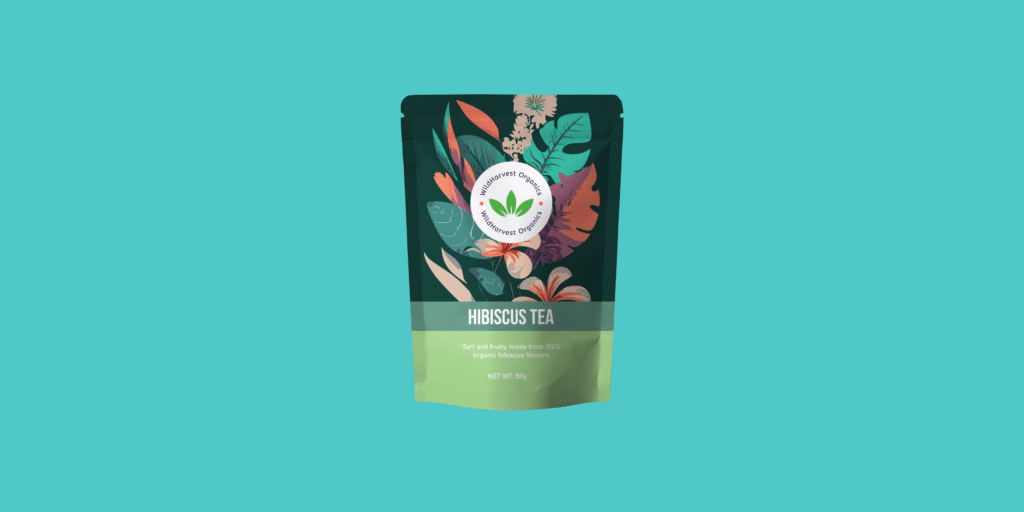
1. Stand-Up Pouches
Stand-up pouches are one of the most popular types of custom pouches. As the name suggests, these pouches are designed to stand upright on shelves, making them highly visible and attention-grabbing. They often come with a gusseted bottom, which allows them to stay stable on retail shelves. Stand-up pouches are ideal for snacks, pet food, coffee packaging, and personal care products.

2. Flat Pouches
Flat pouches are compact, flexible bags that do not stand upright but lay flat. These are commonly used for items like jewelry, small snacks, and beauty products. While flat pouches are space-efficient, they still allow for impressive customization in terms of branding and functionality.

3. Roll Stock
Roll stock is another versatile option when it comes to custom pouches. It’s a continuous roll of flexible film that can be cut and sealed into pouches of varying sizes, making it a cost-effective solution for high-volume packaging. Roll stock is commonly used for products that need to be packaged in large quantities, such as bulk food packaging, beverages, and personal care items.

Key Factors to Consider When Designing Custom Pouch Packaging
1. Material Selection
Choosing the right material for your pouch is crucial, as it affects both the look and function of the packaging. Common materials include:
- Plastic (PET, PE, and BOPP): Durable, moisture-resistant, and affordable.
- Metallized PET: Provides excellent barrier properties for food packaging.
- Recyclable and Biodegradable Films: Ideal for sustainable brands.
2. Size and Shape
Customizing the size and shape of your pouch allows you to tailor the packaging to your product’s specific needs. Whether you need a small pouch for single servings or a larger one for bulk products, the flexibility of pouch packaging allows for a wide range of sizes.
3. Closure Options
A secure and functional closure is important for convenience and freshness. Options include:
- Zippers
- Tear Notches
- Heat Seals
4. Printing and Design
High-quality printing technology allows you to fully customize your pouch’s design with vibrant colors, intricate patterns, and clear text.
5. Sustainability
As consumer demand for eco-friendly packaging grows, it’s essential to consider using recyclable, compostable, or biodegradable materials in your custom pouch packaging.
Conclusion
Custom pouch packaging offers a dynamic and cost-effective solution for businesses across industries, enhancing product presentation, functionality, and brand recognition. By choosing the right materials, designs, and sizes, you can create a packaging solution that meets your product’s needs and resonates with consumers.
Let’s Elevate Your Packaging Today
Need help designing your perfect custom pouch?
📞 Contact us today at 226-338-3406 or email letstalk@sinclairpackaging.com for a personalized consultation or custom quote.
Let’s create packaging that makes your product shine!